The questions kids ask, answered
Short, true answers you can read aloud, with an experiment to try and the science for grown-ups. A new question every week. Sixteen so far, from space to the inside of your body.
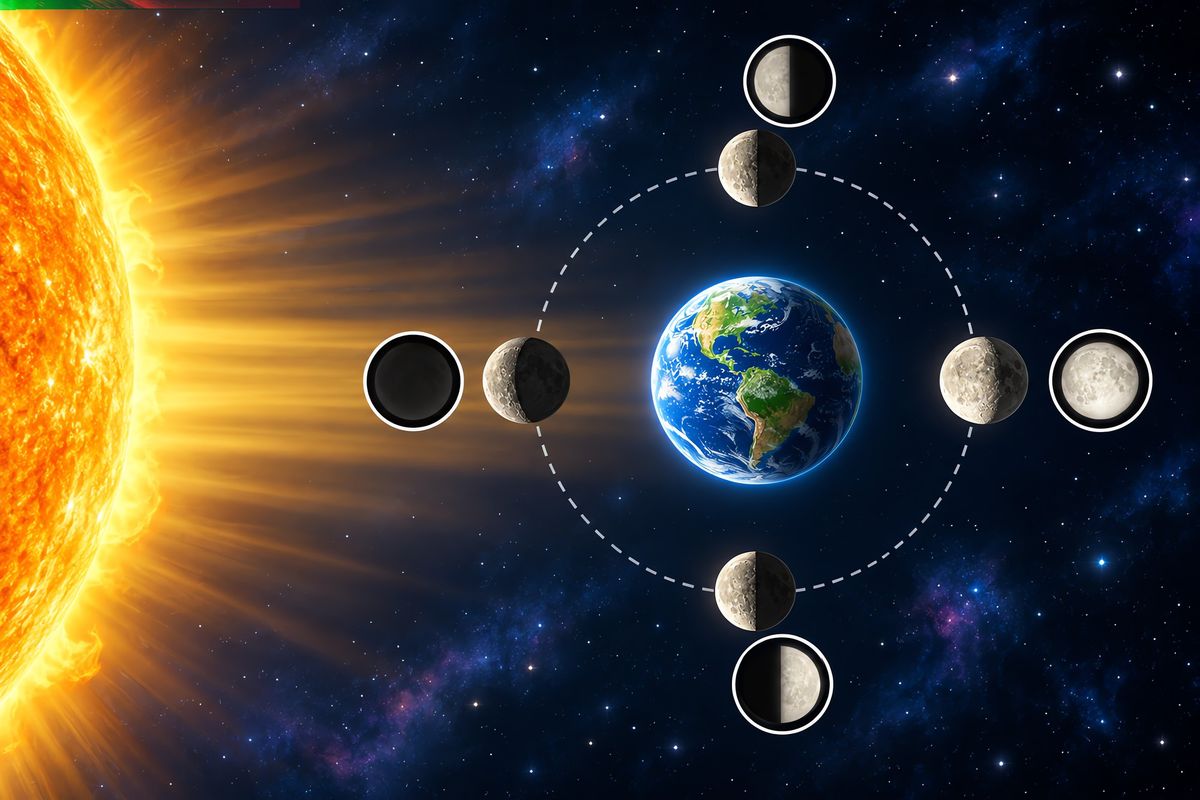
Why does the Moon change shape?
The Sun always lights half of it. A flashlight-and-ball activity shows the rest.
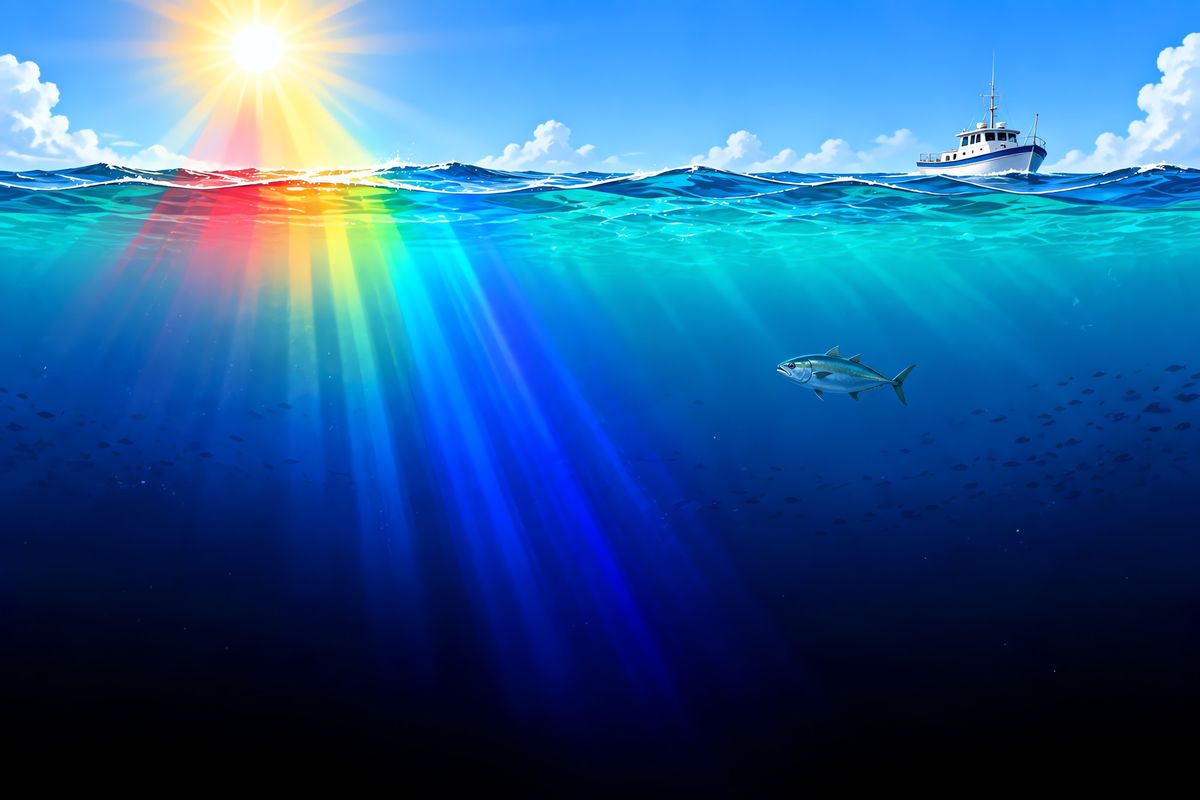
Why is the ocean blue?
Not the sky. Water filters out red light and lets the blue bounce back.
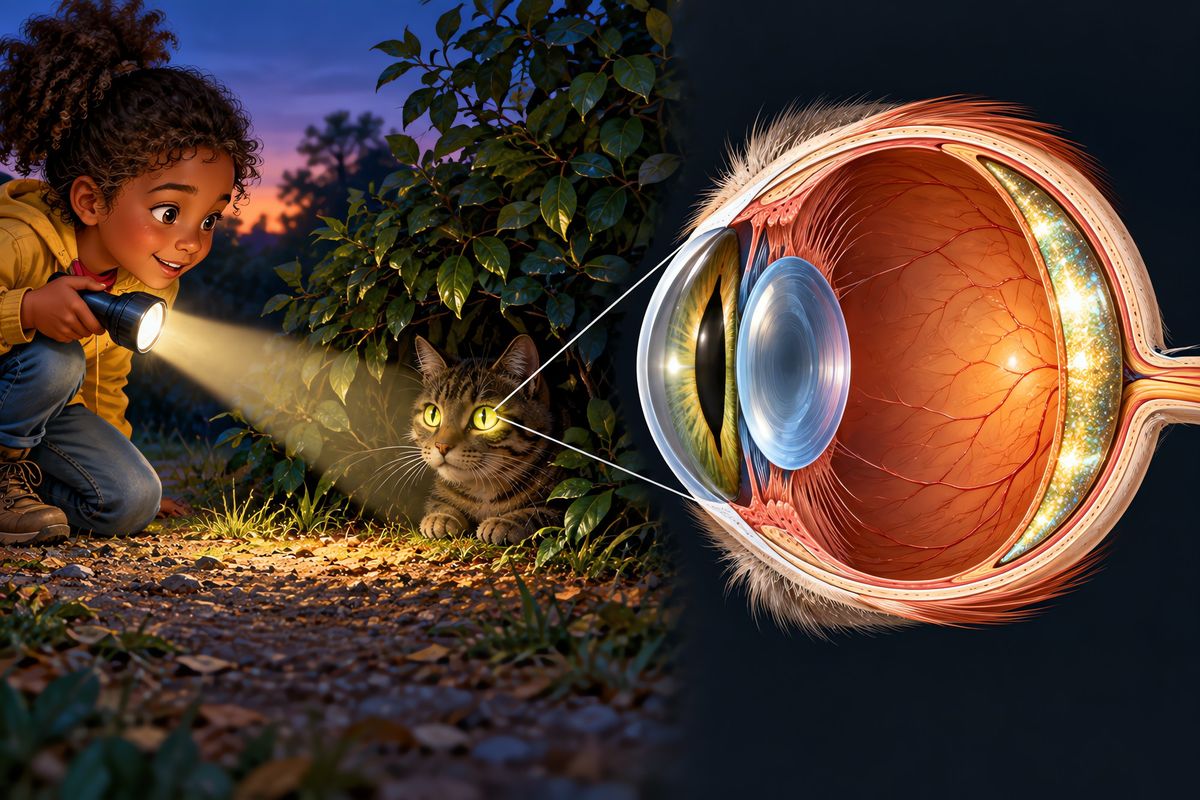
Why do cats’ eyes glow in the dark?
A mirror behind the retina, and a flashlight trick to find it.
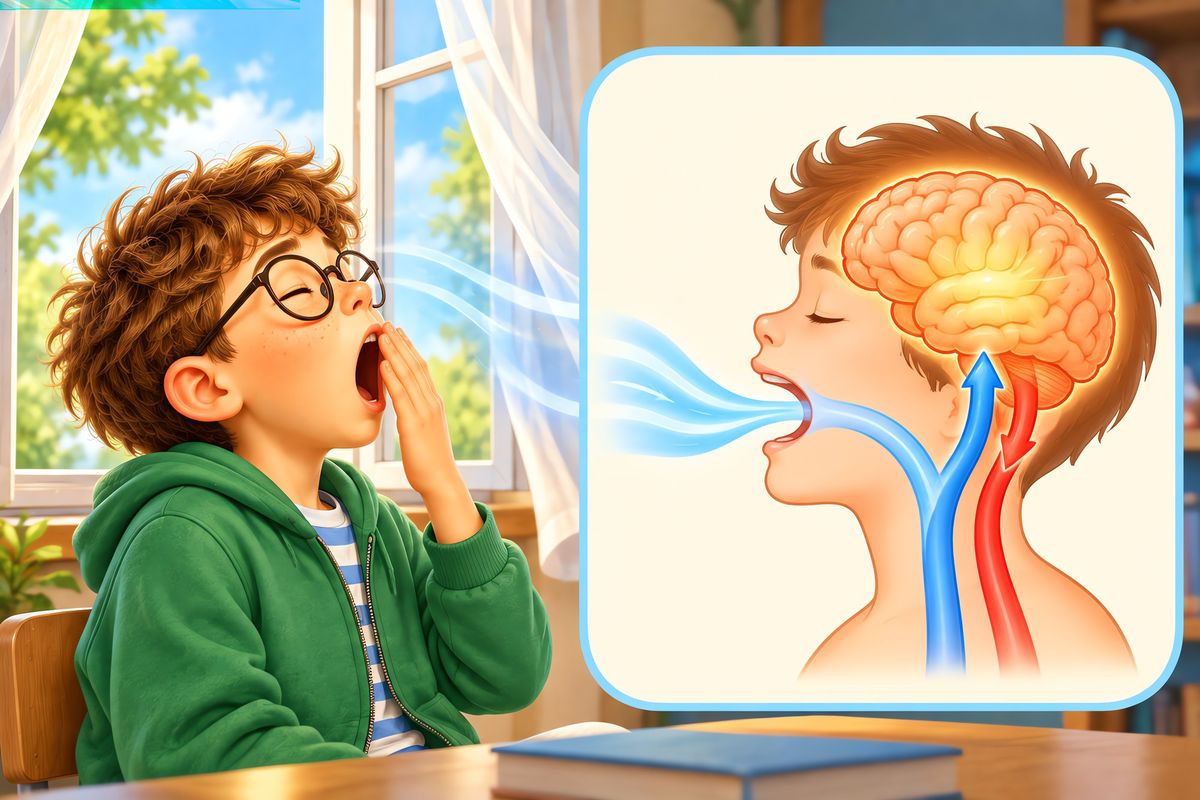
Why do we yawn?
It is not for oxygen. The best evidence says a yawn cools the brain.
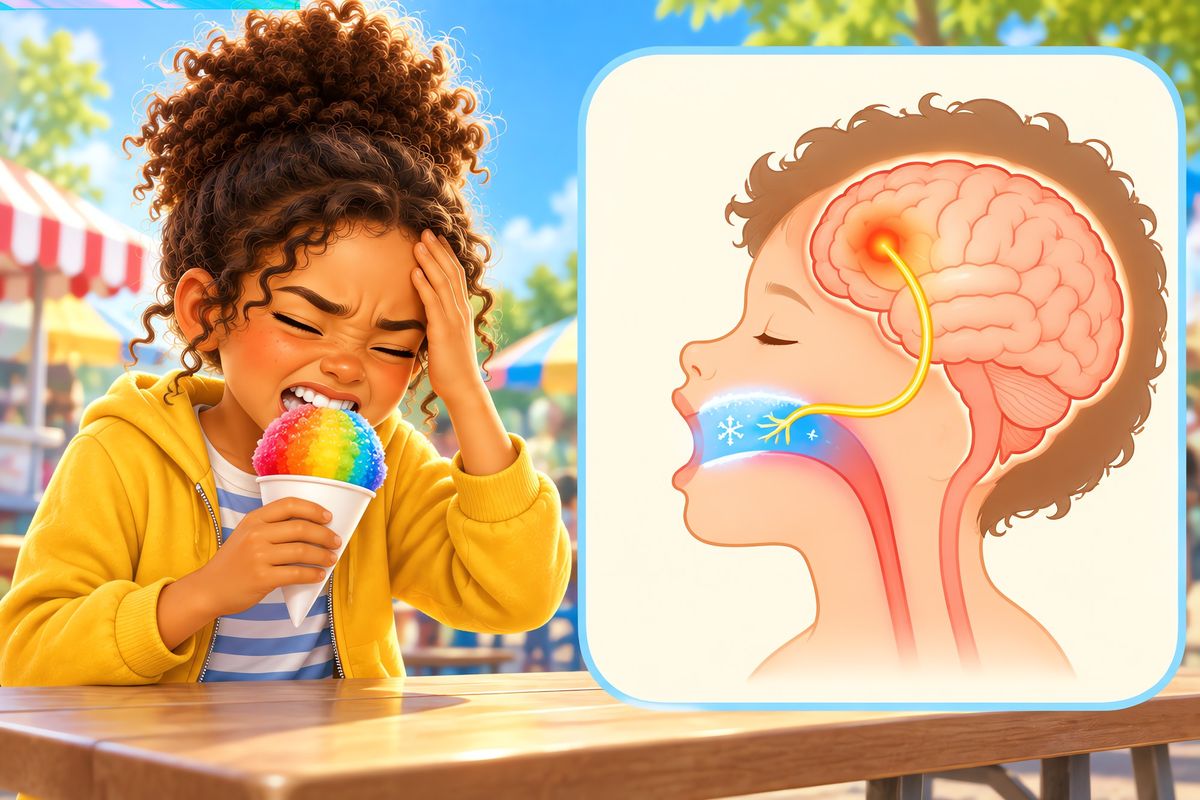
Why do I get brain freeze?
It starts in the roof of your mouth, and a warm tongue stops it fast.
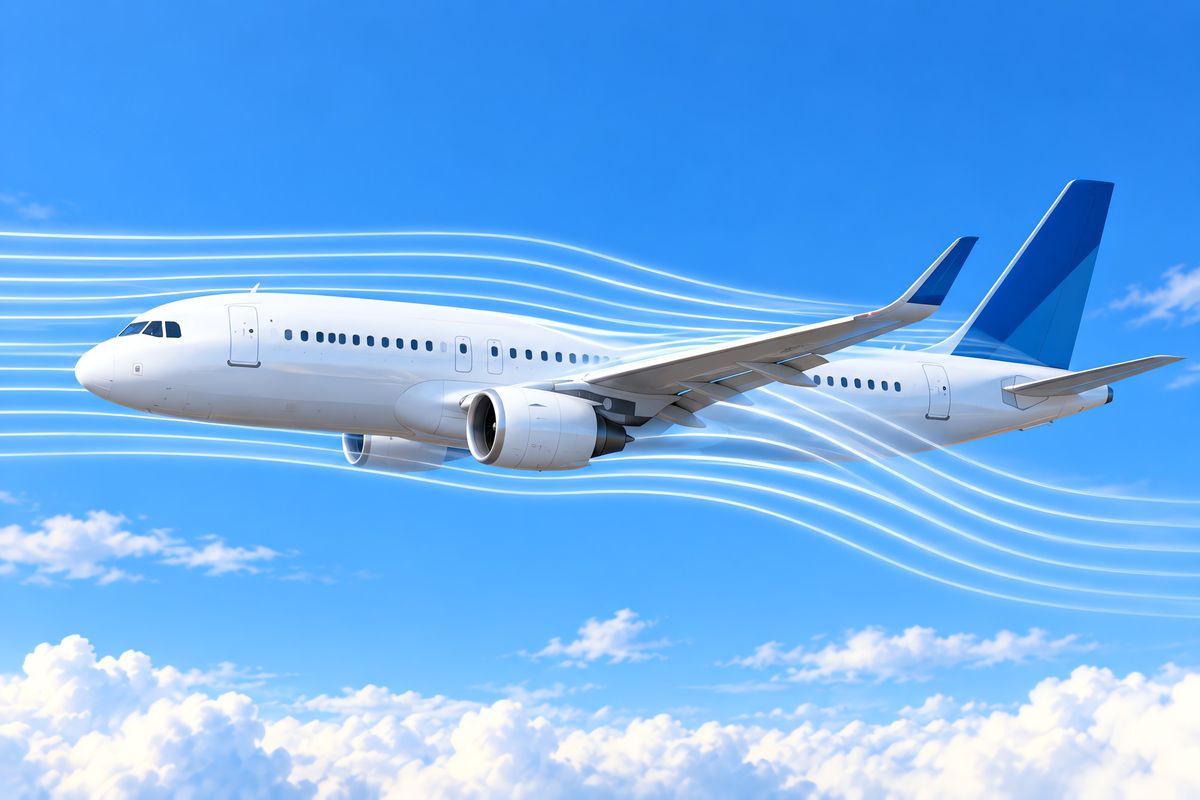
How do airplanes stay up in the sky?
Wings push air down, air pushes wings up. Make lift with a strip of paper.
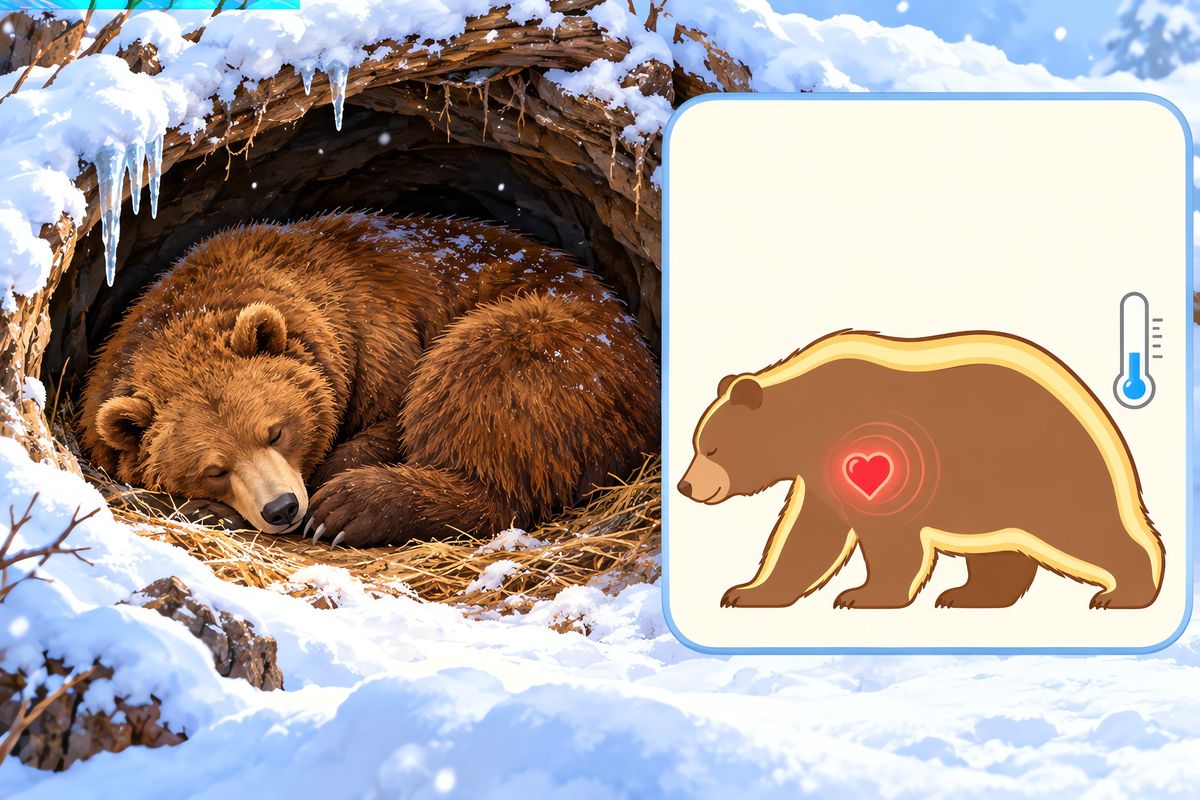
Why do bears sleep all winter?
Eight heartbeats a minute and no bathroom breaks for months.
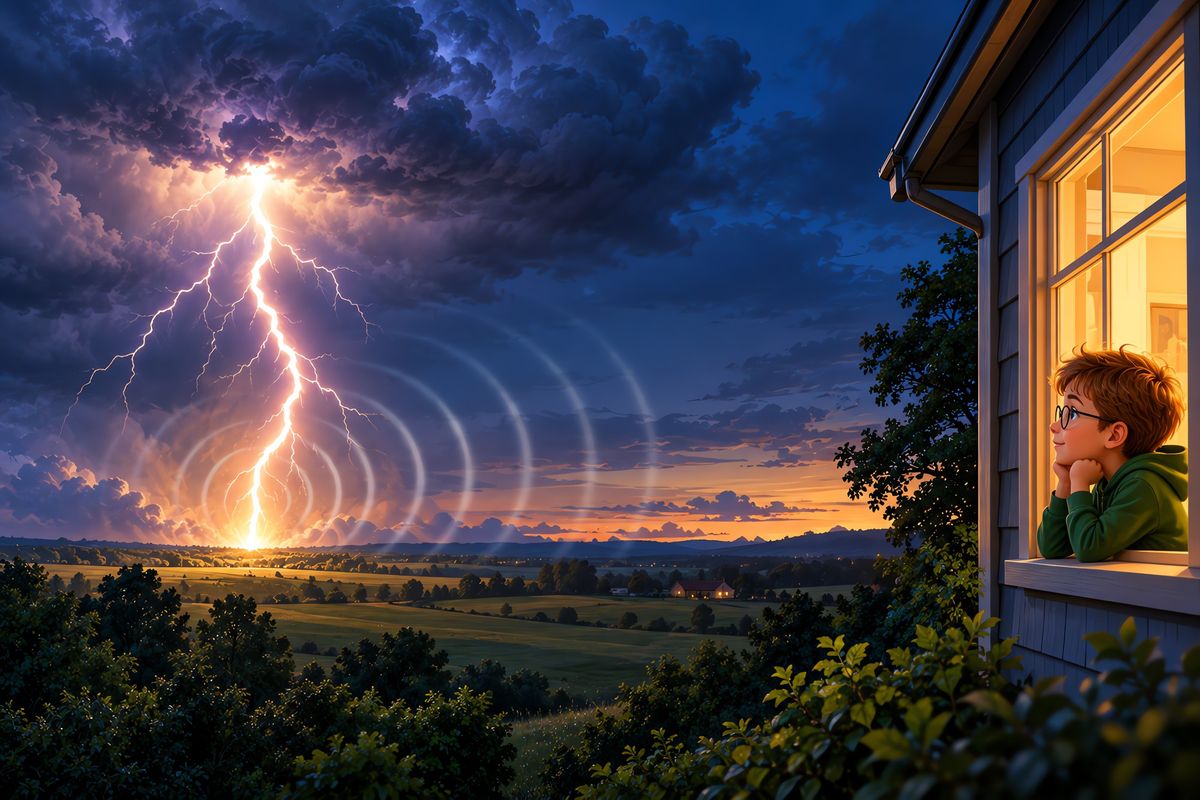
Why does thunder come after lightning?
Light is fast, sound is slow. Count the seconds to measure a storm.

How does the internet get to my house?
Packets, routers and cables on the seafloor, plus a cut-up-picture game.

Why do leaves change color in the fall?
The yellow was hiding all summer. The red is brand new.
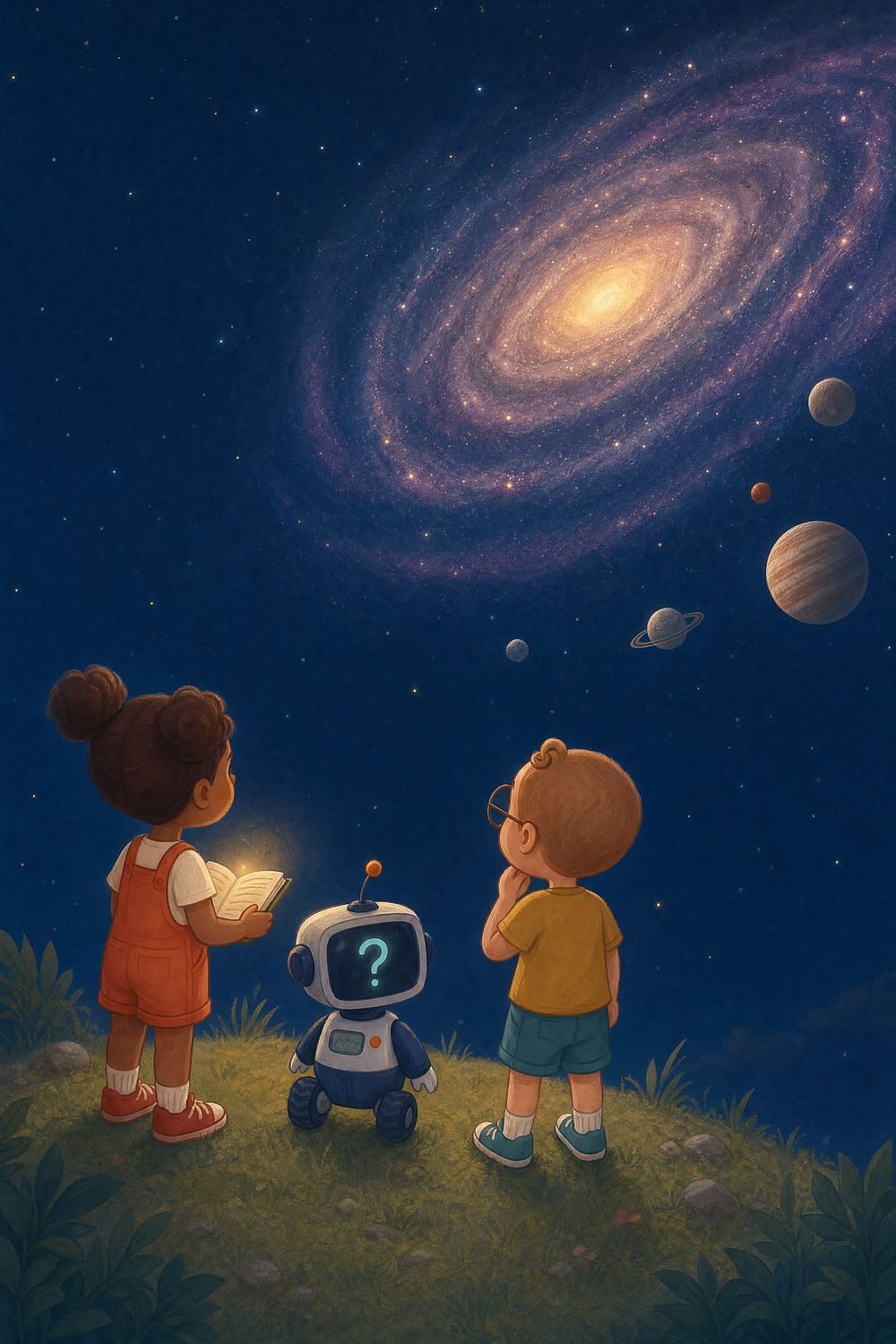
Why do stars twinkle?
A steady light, a wiggly sky, and a coin-and-glass experiment.
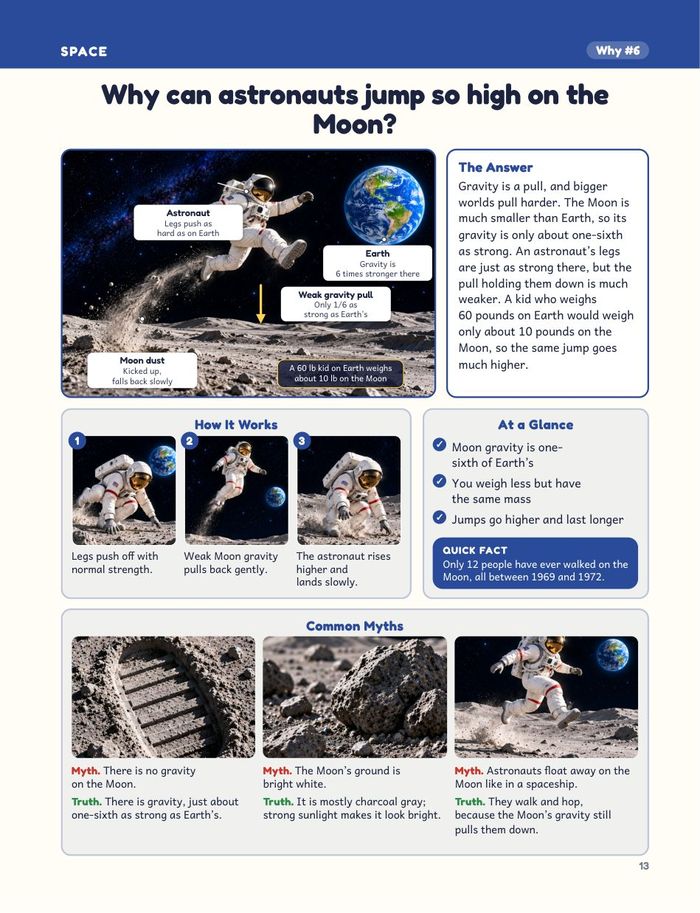
Could you jump higher on the Moon?
Gravity explained with a backpack, a sticky note and a sixfold jump.
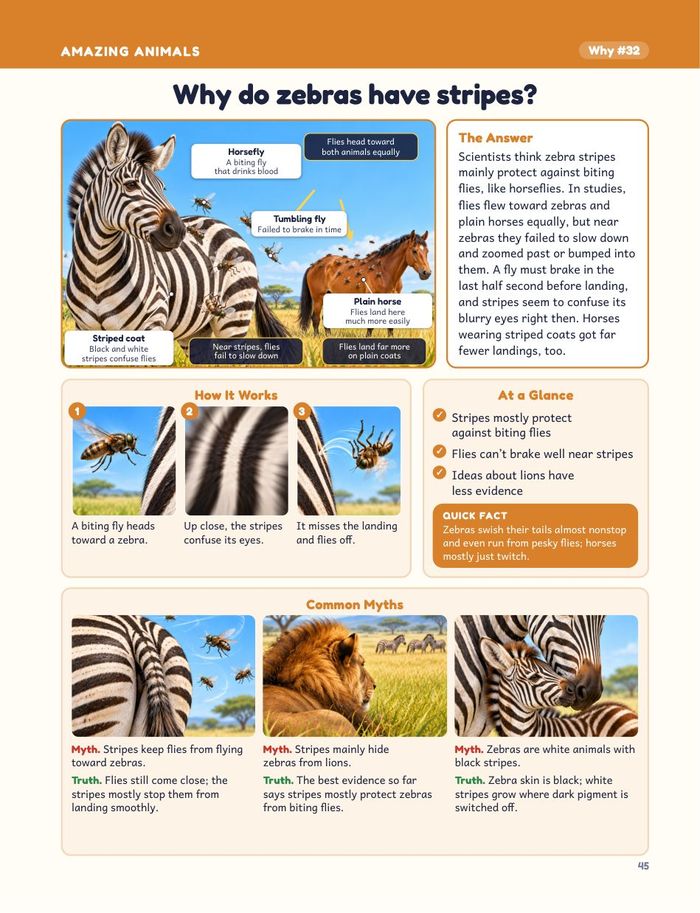
Why do zebras have stripes?
The fly experiment that settled a century-old argument.
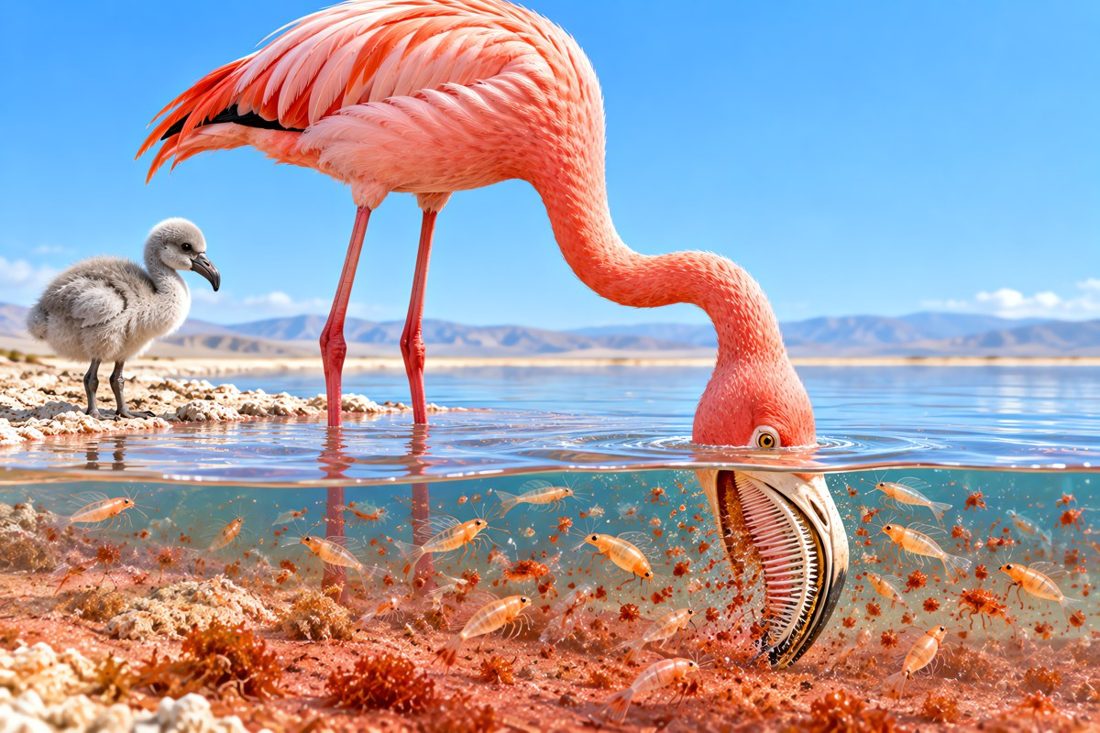
Why are flamingos pink?
The answer is on their plate: algae, shrimp and carotenoids.
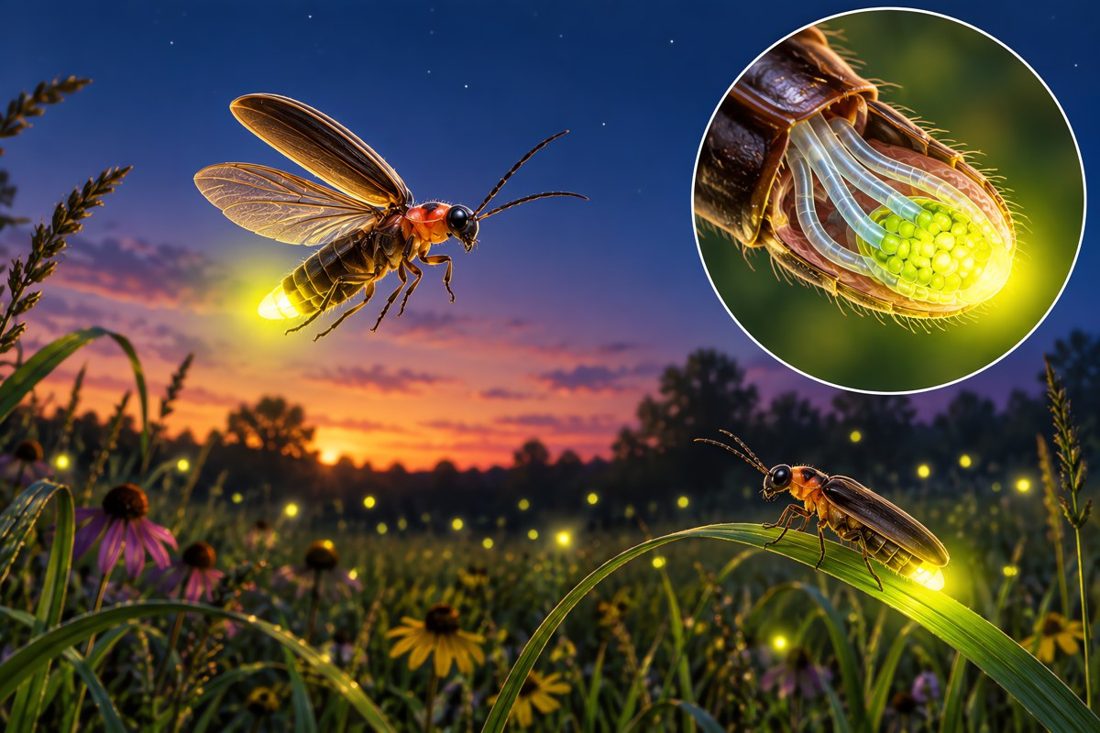
How do fireflies light up?
A tiny chemistry lab in a beetle’s tail, making almost heat-free light.

Why is the ocean salty?
Rocks, rain and rivers, plus a sea-salt experiment for a sunny window.